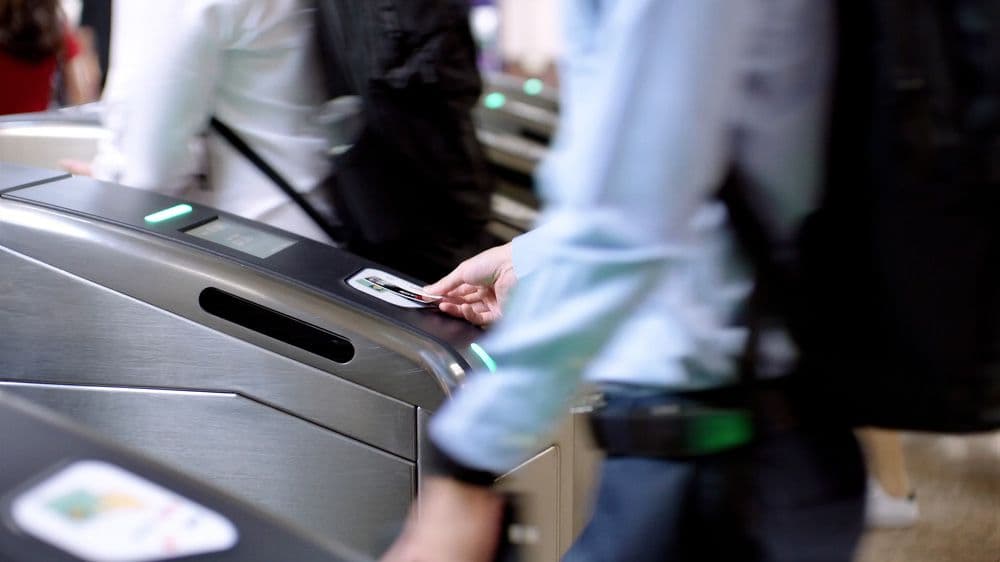
Architecture alignment
Align system architecture to operational flow and real commuter movement
CASE STUDY | READINESS CLARITY
Implementing Integrated Fare and Access Management Systems Across Networks
Delivering a turnkey transit fare architecture from design to operations without disrupting a live network
System availability achieved in a high-demand environment
Transactions between failures ensuring continuous passenger flow
Hours mean time between failures for sustained operational reliability
Minutes average response time for real-time monitoring
THE CHALLENGE
Strategy, design and system architecture implementation with active operations
Installation had to be executed across operational stations
System availability had to remain near-continuous
Switchover for operations and maintenance had to be structured
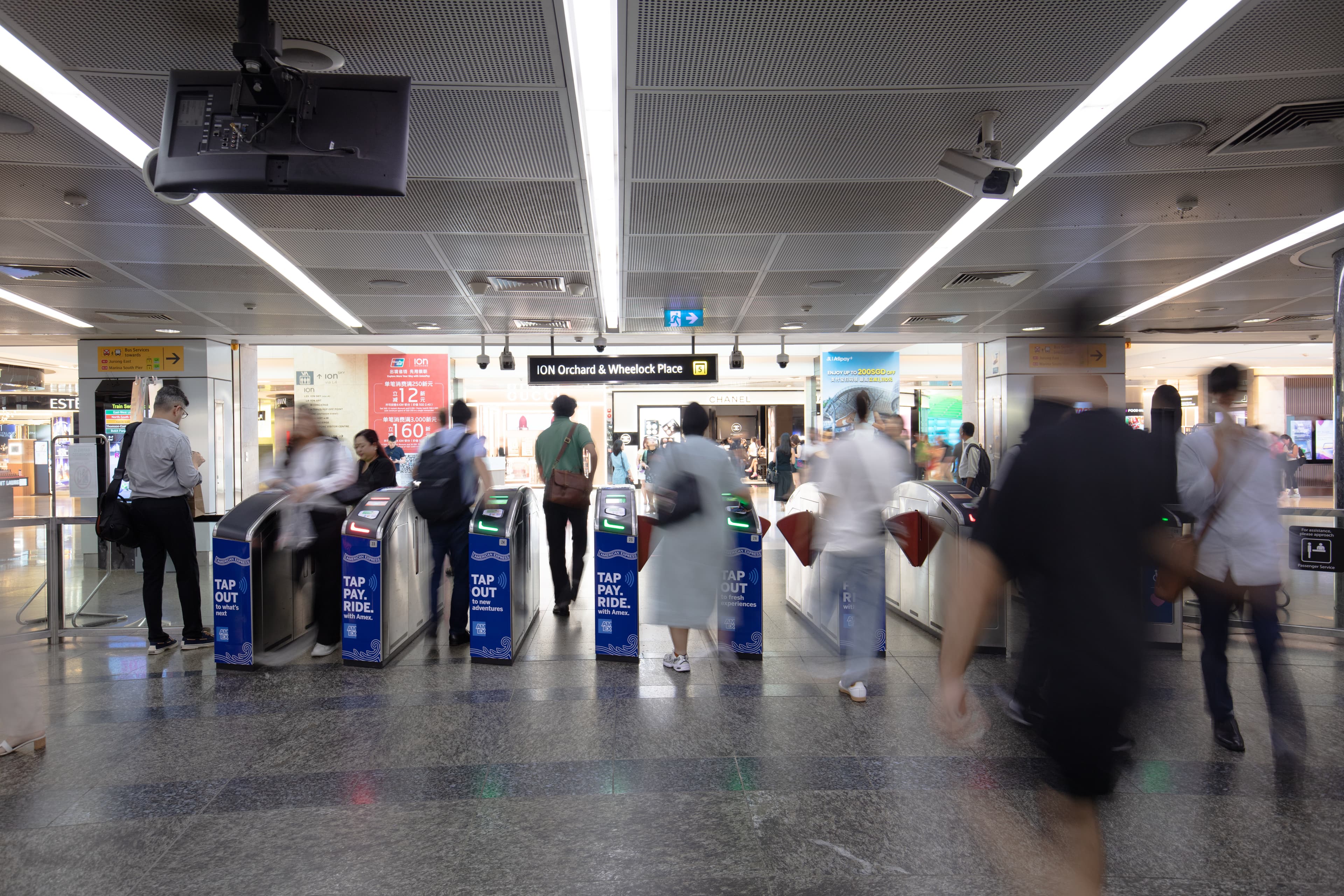
Engineering an end-to-end fare architecture that bridges system design, live deployment and continuous maintenance.
Align system architecture to operational flow and real commuter movement
Execute deployment across functional stations without disrupting passenger flow
Maintain near-continuous system availability and real-time visibility
Ensure a structured handover to operations and maintenance teams
Use data-driven insights to improve system reliability and maintenance strategies
KEY INSIGHT
Fare systems must be designed around existing systems, with integration across lifecycle stages forming a critical foundation for reliability. Performance monitoring must therefore be built in from the start, making the transition to operations and maintenance as important as installation.
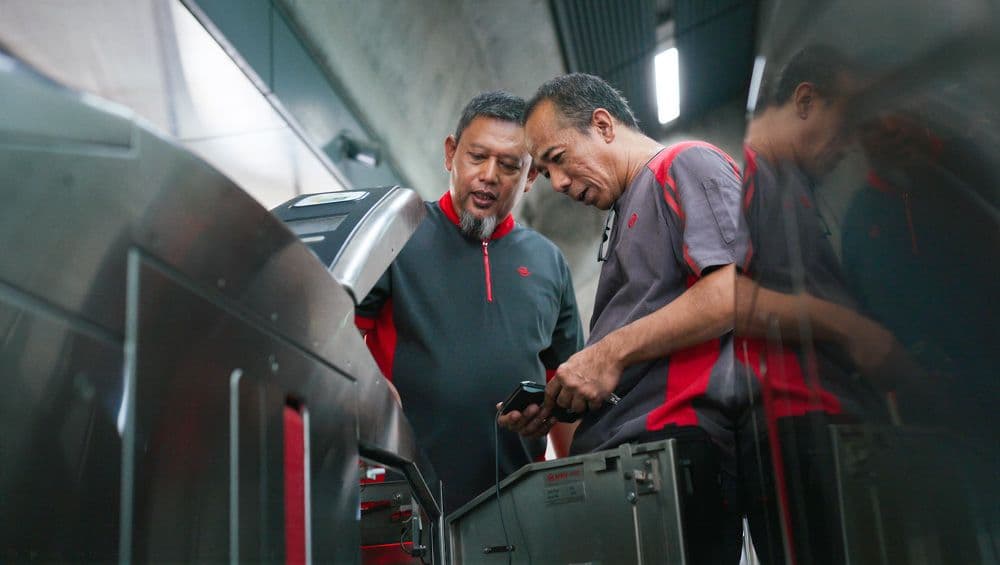
TARGETED INTERVENTIONS
Align with operational flow to ensure fare systems support real commuter movement
Deploy infrastructure within live stations without interrupting daily passenger flow
Provide continuous visibility to operations teams to maintain service continuity and detect faults early
Formal O&M framework ensures system reliability beyond go-live and clear accountability for performance
Continuously improve system performance based on usage patterns and data-driven insights
REGULATORY PRIORITIES
01
Mission-critical passenger systems can be deployed within live networks without disruption
02
End-to-end integration strengthens operational oversight and long-term system reliability
03
Digital monitoring ensures continuous visibility, early fault detection and proactive maintenance
04
High availability is achievable and validated at a national network scale
End-to-end system integration + Brownfield infrastructure deployment + Digital operations & monitoring + Lifecycle system management + Performance & reliability engineering
OUTCOMES
System availability achieved in a high-demand environment
Transactions between failures ensuring continuous passenger flow
Hours mean time between failures for sustained operational reliability
Minutes average response time for real-time monitoring
Let's build systems that perform from design to operations