Technical validation
Embed operator-level technical expertise into initial system architecture and design validation
CASE STUDY | READINESS CLARITY
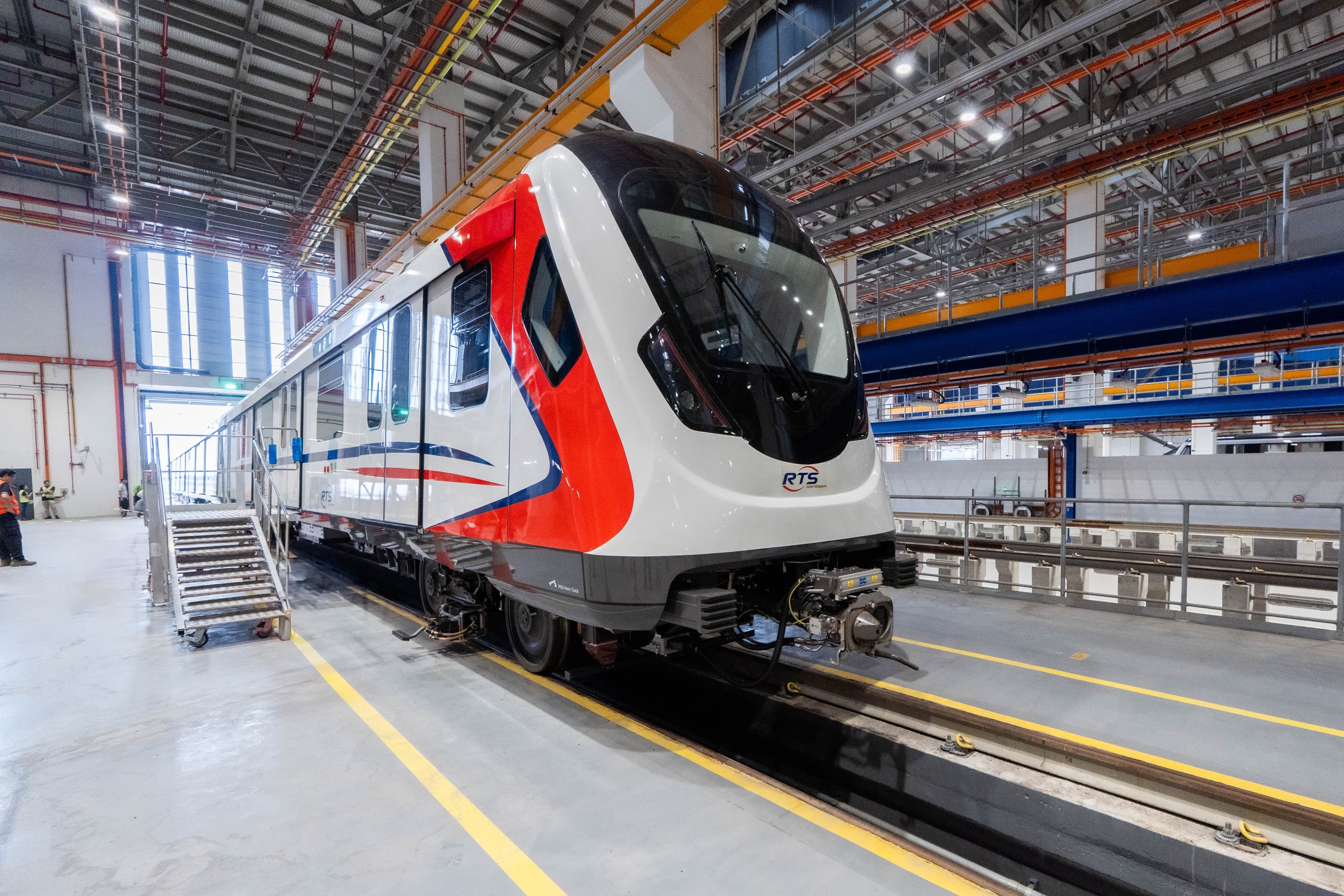
Designing Cross-Border Rail Systems for Operations and Maintenance Excellence
Embedding operational integrity in a joint-venture, cross-border rapid transit system
National rail systems integrated across international jurisdictions
Passengers per hour per direction
Target service readiness validated upfront
Operating perspective across multiple authorities
System architecture for real-world throughput
THE CHALLENGE
Connecting two national transport systems with differing regulatory frameworks, standards and expectations
Managing high-volume commuter flows while integrating border clearance, fare systems and high-frequency train turnaround
Coordinating across government ministries, transport authorities, infrastructure owners and border-security entities
Systems lacking engineering depth become slow to diagnose failures, dependent on individual operators and fragmented in decision making
Operational capability must be embedded during design and execution — not tested after revenue service begins

Bringing an operator-led perspective to system design and readiness — establishing the technical depth, alignment and accountability needed to perform across jurisdictions.
Embed operator-level technical expertise into initial system architecture and design validation
Establish shared regulatory frameworks, operating procedures and safety protocols across participating entities
Test station flows, turnaround constraints and maintenance strategies against peak demand scenarios
Establish transparent escalation structures and disruption response protocols prior to live trial running
Construct decision-making frameworks that support fast, informed and accountable actions during disruptions
KEY INSIGHT
Operational performance is shaped long before commissioning, through the technical depth, safety protocols and accountability structures built into the system from the outset. Across multiple authorities, a single operating perspective helps align decisions, clarify escalation and support faster diagnosis when failures occur.

TARGETED INTERVENTIONS
Evaluate daily service conditions, including train turnaround, station passenger flows, control interfaces and incident escalation before design lockdown
Align regulatory standards, operating procedures and safety response protocols across bi-jurisdictional accountability
Define operational workflows early, validating maintenance strategies under real constraints and aligning capabilities before service commencement
Assess station configurations and control systems under peak demand scenarios and disruption-recovery conditions to support operational resilience
Establish clear safety frameworks, hazard-mitigation pathways and structured response mechanisms across organisations to enable rapid action
REGULATORY PRIORITIES
01
Auditable decision pathways align national transport authorities, infrastructure owners and border-security agencies
02
Provide consistent safety expectations and operational responses across both sides of the border
03
Eliminate ambiguity in operational ownership and decision speed during critical system events
04
Strengthens regulatory confidence through operator-led engineering depth rather than theoretical modelling
Rail Operations Readiness & Maintenance + Cross-Border System Integration + Operator-Led Advisory & Design + Safety & Incident Response Structuring + Governance & Accountancy Alignment + Multi-Stakeholder Programme Coordination
OUTCOMES
National rail systems integrated across international jurisdictions
Passengers per hour per direction
Target service readiness validated upfront
Operating perspective across multiple authorities
System architecture for real-world throughput
Designed from the operator's perspective, aligned across stakeholders and ready to perform where it matters most — under real operating conditions.