
Case Study – Overwatch
Strengthening Real Time Operations Decision Making in a Live Rail Network
SMRT Rail Operations · Singapore
How can operators detect and respond to rail incidents before commuters feel the impact?
In dense urban rail networks, incidents escalate quickly. Even small anomalies can cascade into service delays if not detected, understood, and addressed early. For operators responsible for high frequency services carrying millions of passengers daily, minutes matter.
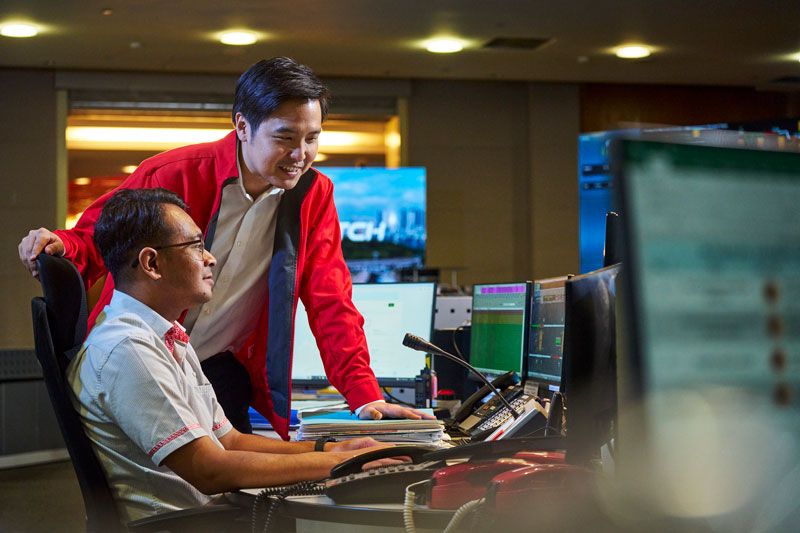
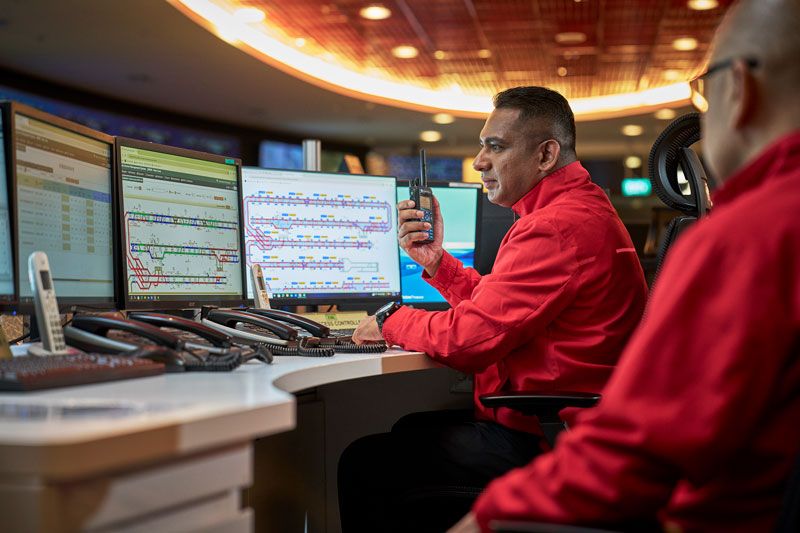
SMRT’s rail operations manage vast volumes of live data spanning train movements, traction power, stations, platforms, and on ground conditions. While individual systems functioned reliably, critical information was distributed across multiple platforms. During incidents, this fragmentation made it challenging to form a complete, real time operational picture and respond decisively under pressure.
The challenge was not a lack of data. It was enabling fast, confident decision making in live operations without compromising safety, coordination, or accountability.
The Challenge
Operational teams faced a complex reality:
Live data was spread across independent systems
Incident response relied heavily on manual coordination
Situational awareness evolved faster than dashboards could be cross checked
Decisions had to be made quickly, yet remain aligned with operating rules and safety requirements
Service recovery needed to be fast, coordinated, and defensible under scrutiny
Replacing these systems was not the answer. The solution had to work across all of them, without requiring operators to abandon or significantly modify their existing infrastructure investments.
The STRIDES Approach
Engineering Decision Support Around Live Operations
Overwatch was designed and developed by STRIDES within SMRT’s live rail operations environment to address these exact constraints.
Rather than creating another monitoring system, Overwatch was engineered as a real‑time operations decision‑support layer, sitting above existing platforms. Its purpose was not to automate decisions, but to help operators see, understand, and act faster during both normal operations and disruptions.
Key elements included:
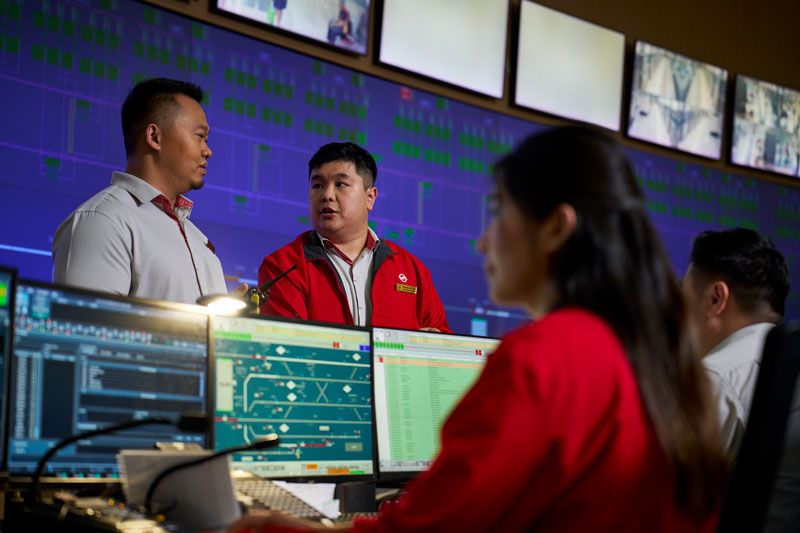
Overwatch integrates live data from across operational systems to present a shared, real time view of network conditions. This includes train movements, service status, and station environments, enabling controllers and field teams to work from the same operational picture.
AI enabled pattern recognition surfaces anomalies early and provides context around developing issues. This shifts response from reacting to isolated alarms to understanding evolving situations.
Decision‑support logic is aligned with established operating rules, thresholds, and escalation protocols. Recommendations remain advisory, ensuring final authority and accountability stay with certified operations personnel.
Overwatch was shaped around how operations teams actually work during incidents, supporting clarity and coordination when time and attention are limited.
The system was developed, tested, and refined while supporting daily passenger services, within a fully regulated, safety critical environment.
Impact
Following deployment within SMRT’s rail network, Overwatch changed how incidents were managed operationally.
Observed outcomes included:
Earlier visibility of developing disruptions, reducing escalation risk
Faster response and recovery through shared situational awareness
Improved coordination between operations control centres, station teams, and field response units
More consistent decision making during complex or high pressure scenarios
Stronger traceability of decisions for review, assurance, and learning
Overwatch helped shift operations from reactive response to anticipatory incident management, strengthening overall service reliability and operational resilience.
Why It Matters
Decision Support Without Loss of Accountability
Operational resilience depends not only on technology, but on how well systems support human judgement under pressure. Overwatch demonstrates that effective decision support can be delivered without automating authority or undermining safety governance.
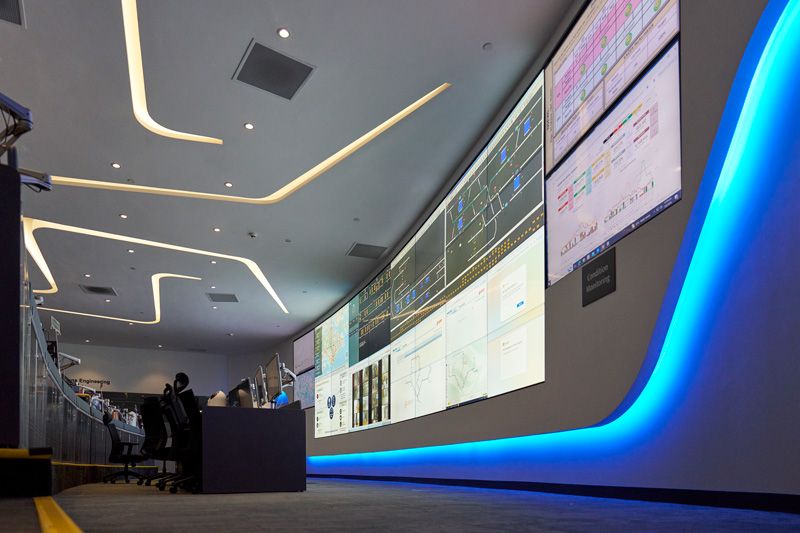
By integrating information, context, and operational rules into a single decision support layer, operators can respond faster and more consistently while maintaining clear accountability.

What Other Operators Can Learn
Incident response improves when data is integrated, not replaced
Decision support must be shaped around real workflows, not theoretical models
AI is most effective when it provides context, not just alerts
Human authority and safety governance must remain central
Overwatch shows how operator led engineering, proven in live operations, can enhance resilience and reliability in complex rail networks where failure is not an option.